Superfans, Subscriptions, and Soul: How Streamers Are Turning Loyalty Into a Living
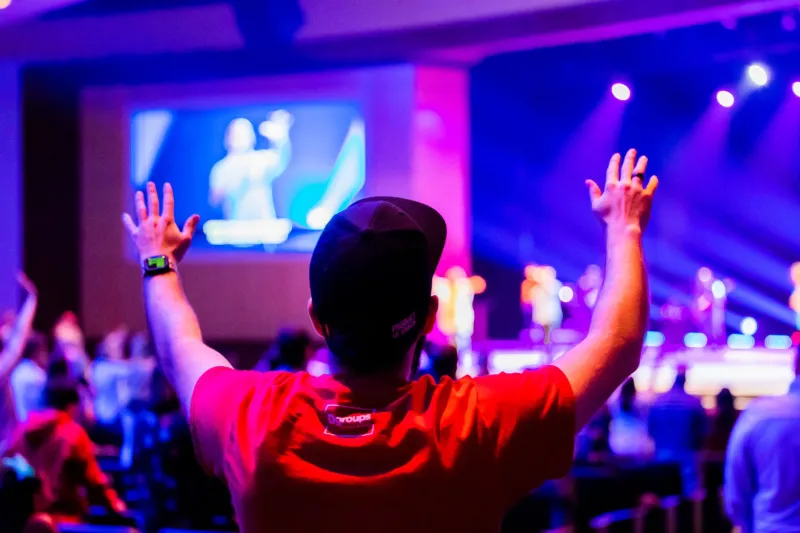
There's a moment that happens on almost every successful live stream. A regular viewer drops into the chat, the streamer calls them out by name, and for a few seconds, two people who have never shared the same zip code feel genuinely connected. That moment? It's worth money. A lot of it.
Welcome to the parasocial economy — a sprawling, surprisingly sophisticated financial ecosystem built on the very human need to feel seen, heard, and part of something bigger than yourself. For creators broadcasting live to audiences across the country, that emotional currency is quietly becoming the most valuable asset they own.
More Than a Vibe Check
Psychologists have studied parasocial relationships — the one-sided emotional bonds people form with public figures — since the 1950s. But the live streaming era has turbocharged the concept in ways that even researchers are still trying to catch up with. Unlike a celebrity you watch in a movie, a live streamer talks to you. They react in real time. They read your name in chat. They ask what you think before making a decision on screen.
That interactivity collapses the psychological distance between creator and viewer in a way that pre-recorded content simply cannot replicate. According to a 2023 study from the University of Southern California's Annenberg School, audiences who regularly engage in live chat during streams report feeling a sense of "mutual recognition" with creators — even when those creators are broadcasting to thousands of people simultaneously.
For streamers, that feeling isn't just a nice side effect. It's the product.
The Tier System: Selling Access, Not Just Content
The most common way creators have learned to monetize emotional connection is through tiered membership models. Platforms like Twitch, YouTube, and Patreon let streamers offer multiple subscription levels — each unlocking a different degree of closeness.
At the entry level, you might get an exclusive emote or an ad-free experience. Move up a tier and you're joining a private Discord server where the creator actually hangs out. Hit the top tier and you might get monthly one-on-one video calls, early access to projects, or your name in the credits of something they're building.
What's being sold at each level isn't really content. It's proximity.
"I used to think people were paying for the perks," says one mid-tier gaming streamer based in Austin who asked not to be named while discussing finances. "Then I realized they're paying because they want to matter to me. The perks are just the excuse."
That insight has changed how a lot of creators structure their offerings. The most successful ones have stopped trying to manufacture exclusive content and started designing exclusive experiences — things that make a subscriber feel like an insider rather than a customer.
Community Funding: When the Audience Becomes a Stakeholder
Some streamers have pushed the model even further, inviting audiences to fund specific projects through community-driven campaigns. Think of it as crowdfunding with a parasocial twist. When a creator you've watched for two years tells you they want to build something — a game, a podcast, a live event tour — and asks if you want to help make it happen, the ask lands differently than a Kickstarter from a stranger.
Creators who have cultivated deep audience trust routinely outperform industry benchmarks for crowdfunding conversion rates. The difference, according to digital marketing analysts who track creator campaigns, isn't the size of the audience. It's the depth of the relationship.
One creator who streams cooking content out of Chicago raised over $80,000 from her community to fund a pop-up restaurant experience — not because her audience was wealthy, but because they felt personally invested in her success. Many contributors later said in post-campaign surveys that they donated because they wanted to "be part of her story."
That's not consumer behavior. That's something closer to what you'd do for a friend.
Letting the Audience Drive
Perhaps the most innovative — and ethically complex — evolution in the parasocial economy is viewer-directed content. Some streamers now let paying subscribers vote on what they do next: which game to play, which topic to cover, which guest to invite, or even which city to visit on a live tour.
On the surface, it sounds like pure fan service. But it functions as something more powerful: co-ownership. When you voted for the storyline and you watched it unfold in real time, you're not just a viewer anymore. You're a contributor. And contributors stick around.
The engagement numbers back this up. Streams with interactive decision mechanics consistently show longer average watch times, higher chat participation rates, and stronger subscription retention compared to passive broadcast formats.
The Ethics Conversation Nobody Wants to Skip
For all its financial ingenuity, the parasocial economy comes with real ethical weight. Critics — including some creators themselves — have raised concerns about what it means to build a revenue model on emotional dependency.
Is it exploitative to charge money for the feeling of closeness? What happens when a viewer in a difficult life situation over-invests emotionally and financially in a creator who is, ultimately, a professional entertainer? These aren't hypothetical questions. Creator communities across Reddit and Discord are full of stories about fans who spent beyond their means chasing a sense of connection.
Responsible creators are increasingly vocal about drawing lines. Some publicly discourage excessive spending during their streams. Others build mental health resources into their community spaces and remind audiences regularly that the relationship, while real in its warmth, has limits.
"I genuinely care about my community," says a lifestyle streamer with a large following on the East Coast. "But I also have to be honest that I can't be everyone's best friend. Part of caring for them is being clear about that."
The creators who navigate this balance well — who build genuine community without encouraging unhealthy dependency — tend to be the ones whose audiences stick around for years, not just seasons.
Connection Is the Product, But Integrity Is the Brand
Here's the counterintuitive truth at the heart of the parasocial economy: the streamers making the most sustainable income aren't the ones who are best at monetizing emotion. They're the ones who are most authentically themselves.
Audiences can smell a manufactured connection from miles away, especially in a live format where there's no editing safety net. The creators who thrive long-term are the ones whose warmth isn't a strategy — it's just who they are. The revenue models follow naturally from that foundation.
At PIF Live, we see this play out in real time every day. The streams that people come back to, the communities that keep growing, the creators whose names turn into genuine cultural touchstones — they all share one thing. They made their audience feel something real.
In an entertainment landscape crowded with content, that's the rarest commodity of all. And apparently, it's worth subscribing to.