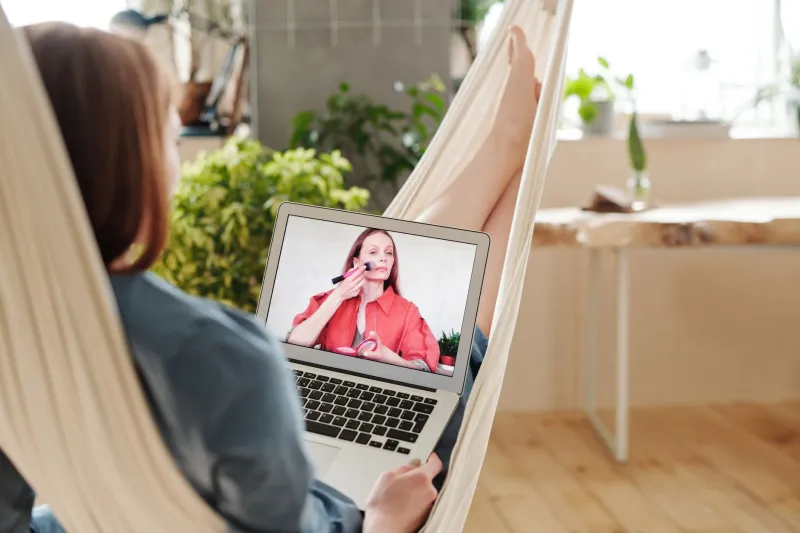
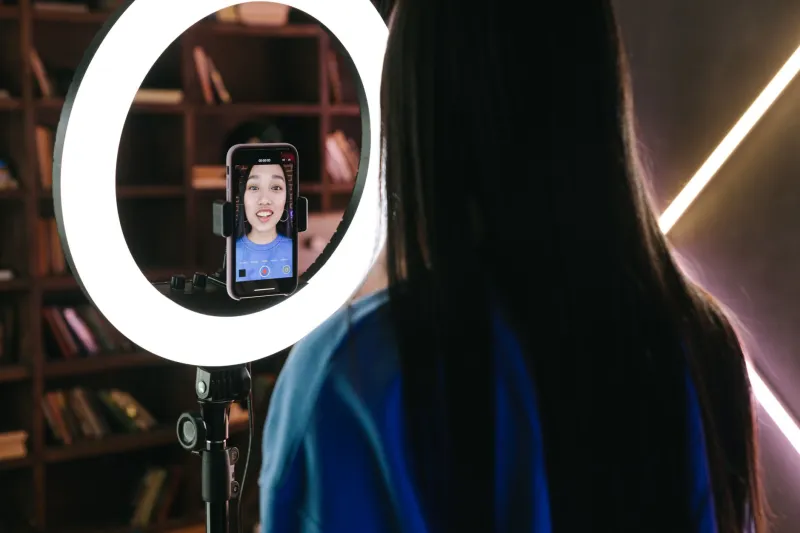
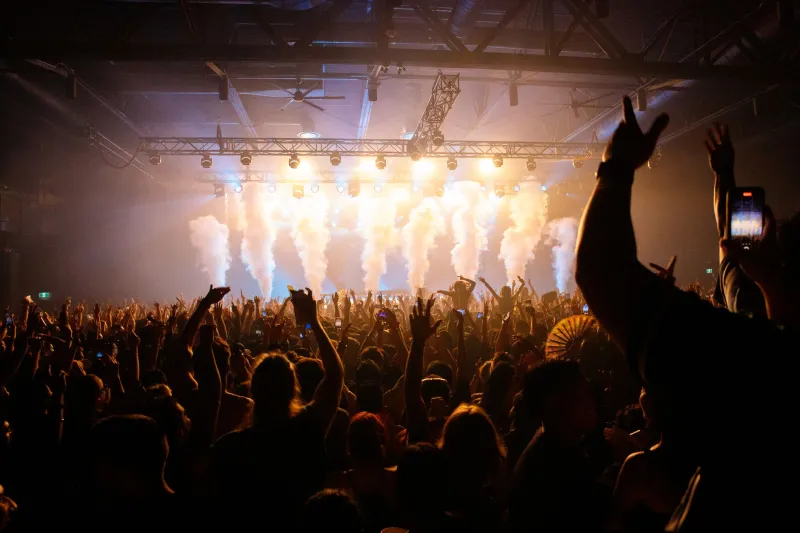
Hollywood Is Sweating: How Live Streamers Are Rewriting the Rules of the Entertainment Game
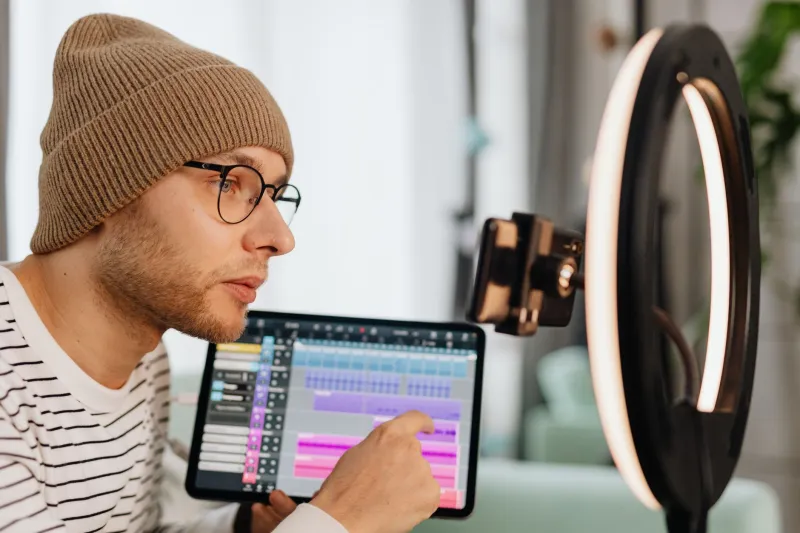
For most of the 20th century, breaking into entertainment meant knowing the right people, landing in the right city, and surviving a gauntlet of auditions, agents, and rejection letters. The gatekeepers were real, and they were powerful. Then the internet happened — and somewhere between Twitch raids and TikTok Live drops, those gates started looking a lot less sturdy.
Today, live streaming isn't just a hobby for bored gamers or a side hustle for aspiring influencers. It's a full-blown economic force that's making traditional studios genuinely uncomfortable. We're talking about creators pulling in millions of concurrent viewers, signing multi-million dollar deals, and — here's the part that really stings — doing it entirely on their own terms.
The Numbers Don't Lie (And They're Not Pretty for the Old Guard)
Let's start with some context. According to recent industry data, live streaming generated over $70 billion in global revenue in 2023, with the US market accounting for a massive chunk of that figure. Platforms like Twitch, YouTube Live, and Kick aren't just growing — they're eating into the same audience pie that network television and major streaming services have been fighting over for years.
Media analyst Priya Desai, who tracks digital entertainment trends for a boutique research firm in New York, puts it bluntly: "The traditional studio model was built on scarcity. Scarcity of talent, scarcity of distribution, scarcity of access. Live streaming obliterated all three simultaneously. That's not a disruption — that's a demolition."
And she's not wrong. When a creator like Kai Cenat can break Twitch subscriber records and generate more cultural conversation than a mid-budget network drama, something fundamental has shifted. The audience went where the energy was, and right now, that energy is live.
What Studios Are Actually Afraid Of
Here's the thing about fear — it rarely announces itself honestly. Instead of admitting they're rattled, many studio executives have taken to dismissing live streaming as a phase, a novelty, something that will eventually fold back into the traditional pipeline. But behind closed doors? The conversation sounds very different.
One production executive at a major Los Angeles-based studio, who asked not to be named because they weren't authorized to speak publicly, admitted that internal meetings have increasingly included discussions about "the creator economy threat." Their words, not ours.
"We used to compete with other studios," they said. "Now we're competing with someone's bedroom setup. And honestly? Sometimes the bedroom wins."
What studios fear most isn't just the audience migration — it's the talent drain. Creators who might have once hustled for a supporting role on a network procedural are now building their own audiences, their own brands, and their own revenue streams without ever needing a studio's blessing. Why sign a seven-year contract with creative restrictions when you can go live tonight and pocket 100% of your Super Chat earnings?
The Creator's Perspective: Freedom Has a Price Tag (But So Does the Alternative)
Talk to almost any full-time live streamer and you'll hear the same word over and over: control. Control over content, schedule, tone, and most importantly, the relationship with their audience.
Marcus Webb, a 28-year-old variety streamer based in Atlanta who averages around 40,000 concurrent viewers on his nightly streams, describes the appeal simply. "Nobody tells me what's funny. Nobody tells me what topics are off-limits for demographic reasons. I built this thing from scratch, and every person watching showed up because they wanted to, not because an algorithm put me in front of them on a cable package they didn't ask for."
But Marcus is also candid about the downsides. Platform dependency is real — one policy change or algorithm shift can tank a creator's income overnight. Burnout is rampant in the live streaming community, where the pressure to go live consistently can feel relentless. And the lack of institutional support means creators are often handling their own legal, financial, and mental health challenges without a safety net.
"I wouldn't trade it," Marcus says. "But I also won't pretend it's easy. It's just a different kind of hard than the Hollywood grind."
The Hybrid Future Nobody Saw Coming
Interestingly, the story isn't purely adversarial. Some of the savvier players in traditional entertainment have started treating live streaming not as a competitor but as a scouting ground — and occasionally, a co-production opportunity.
Several major talent agencies have quietly built out dedicated creator divisions over the past few years, signing live streamers alongside traditional actors and musicians. Some production companies are experimenting with live-format shows that borrow the interactive energy of streaming culture — audience polls, real-time comment integration, spontaneous format changes — and applying them to professionally produced content.
The results are uneven, but the experimentation is telling. When legacy institutions start imitating the upstarts, it's usually a sign that the upstarts have won something important.
Desai sees this convergence as inevitable but complicated. "You're going to see more crossover, but the cultural DNA of live streaming and traditional production are pretty different. Studios run on control and predictability. Live streaming runs on chaos and authenticity. Merging those things without losing what makes each valuable is genuinely hard."
What This Means for the Rest of Us
For audiences — which, let's be honest, is most of us — this shift is mostly good news. More voices, more formats, more ways to consume entertainment that actually feels alive and responsive. Live streaming, at its best, creates a sense of community and presence that a polished Netflix drama simply can't replicate. You're not just watching something; you're in it.
At PIF Live, we've always believed that the most electric entertainment happens in real time, when the distance between creator and audience collapses into something immediate and unpredictable. That's not a niche preference anymore — it's where culture is moving.
Hollywood will adapt, because it always does. But the version of the entertainment industry that emerges on the other side of this moment will look fundamentally different from the one that existed before a kid with a decent internet connection figured out they didn't need anyone's permission to perform.
The gates are open. The stream is live. And the studios are watching — whether they want to admit it or not.