3 AM and 10,000 Viewers: The Raw Magic of Streams Nobody Planned
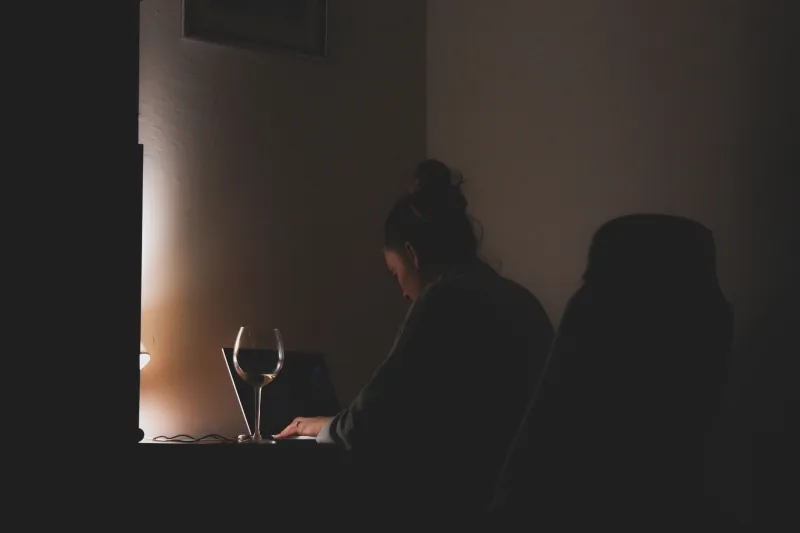
It's 2:47 in the morning. A streamer cracks open their laptop, half-asleep and slightly delirious, hits the 'Go Live' button mostly out of boredom, and mumbles something like, "I don't even know why I'm doing this right now."
Six hours later, the clip is everywhere.
This isn't a fluke. It's practically a formula — except nobody can actually replicate it on purpose, and that's exactly the point.
The Schedule Is the Enemy
Most content platforms run on clockwork. Upload Tuesday. Post Thursday. Go live Saturday at 7 PM EST because that's when the analytics say your audience is home from work and fed. There's nothing wrong with that approach — it builds consistency, and consistency builds audiences.
But consistency also builds expectations. And expectations are the quiet killer of genuine surprise.
When a creator shows up exactly when they said they would, doing exactly what they promised, viewers are satisfied. They're entertained. They might even share the stream. What they almost never do, though, is lose it. That specific energy — the breathless, text-your-friend-right-now, "you have to see this" energy — lives somewhere else entirely. It lives in the unannounced midnight session. The post-concert wind-down stream. The 4 AM "I can't sleep and I have feelings" broadcast that draws a few hundred insomniacs into something that ends up feeling weirdly sacred.
What's Actually Happening in Your Brain
There's a psychological concept called psychological reactance — basically, humans want things more when access feels limited or accidental. When you stumble onto a live stream that wasn't advertised, that nobody told you about, your brain registers it differently than scheduled content. You didn't seek it out; it found you. That shifts the emotional math entirely.
Add to that the well-documented phenomenon of shared synchrony — the neurological buzz that comes from experiencing something simultaneously with other people — and you've got a recipe for disproportionate emotional investment. Late-night streams tend to draw a specific kind of viewer: the die-hards, the night owls, the people who are genuinely there rather than passively watching. The chat moves differently. The energy is tighter. It feels less like a broadcast and more like a gathering.
Researchers studying parasocial relationships have noted that authenticity cues — yawning, rambling, forgetting what you were saying — actually strengthen the emotional bond between creator and viewer. When someone seems unguarded, we trust them more. And nobody is more unguarded than a person streaming at 3 AM in a hoodie with no ring light.
Glitches, Gremlins, and Going Viral
Then there are the technical disasters, which deserve their own category entirely.
A mic cutting out mid-rant. A cat walking across a keyboard and sending the stream into chaos. A background notification accidentally revealing something the creator didn't mean to share. These moments are objectively inconvenient — and they almost always perform better than the polished segments surrounding them.
Part of this is the pratfall effect, a social psychology principle suggesting that small mistakes make competent people more likable and relatable. When a streamer fumbles, swears at their router, or accidentally streams thirty seconds of their ceiling while trying to fix a camera angle, they stop being a performer and become a person. Viewers don't just watch that — they root for it.
Some of the most-clipped moments in streaming history weren't planned segments. They were the stuff between segments. The awkward silences. The genuine laughter at something that wasn't supposed to be funny. The off-the-cuff confession that happened because it was late and the creator's filter had gone offline along with their streaming software.
Creators Who Built Empires on Accidents
Look at the trajectory of streamers who've cultivated genuinely devoted audiences — not just large ones, but devoted ones — and you'll often find a defining "moment" in their history that happened at a weird hour, with low production value, and absolutely no plan.
One gaming creator's most-watched clip isn't from a tournament stream or a sponsored event. It's from a Tuesday night in December when they stayed up until sunrise finishing a game they'd been putting off, talking to a few hundred viewers like they were all hanging out in the same room. That stream wasn't announced. It wasn't monetized. It just happened — and it became the thing that defined the creator's relationship with their audience for years afterward.
Variety streamers who pivot into late-night "just chatting" sessions frequently report that these unstructured broadcasts generate more new follows, more clip shares, and more emotional messages from viewers than any carefully produced content they put out. There's a reason for that: people aren't just watching a stream. They're watching someone be a person, unedited, in real time.
The Paradox of Trying to Capture It
Here's where it gets tricky. Once creators recognize the power of the unplanned late-night stream, the temptation is to manufacture one. Schedule an "unscheduled" stream. Prep some "spontaneous" reactions. Engineer the chaos.
It almost never works.
Audiences — especially the ones who've been around long enough to know what real looks like — can smell performance-of-authenticity from a mile away. The whole value proposition of the accidental stream is that it's genuinely accidental. The moment you announce your "surprise" stream three days in advance, you've already lost the thing that made it special.
The creators who do this best aren't strategizing. They're just... going live when the mood strikes. Trusting their audience to show up, or not. Letting the stream be whatever it is. That lack of attachment to outcome is, ironically, what makes the outcome so powerful.
Why This Matters for Live Streaming Culture
At its core, live streaming's greatest competitive advantage over every other form of entertainment is the possibility of right now. Not a polished version of right now. Not a scheduled simulation of right now. The actual, uncontrollable, anything-could-happen present moment.
The midnight streams, the glitches, the rambling 4 AM conversations — these aren't flaws in the live format. They're the whole argument for why live streaming exists. They're proof that the best entertainment sometimes isn't entertainment at all. It's just people, awake when they shouldn't be, sharing something real with strangers who happened to show up.
And honestly? That's the whole vibe PIF Live was built around. Stream the moment. Feel the energy. Even — maybe especially — when that moment is messy, unplanned, and happening way too late at night.
Some of the best things always are.