Show Me the Money: Inside the Wildly Competitive World of Live Stream Gifting
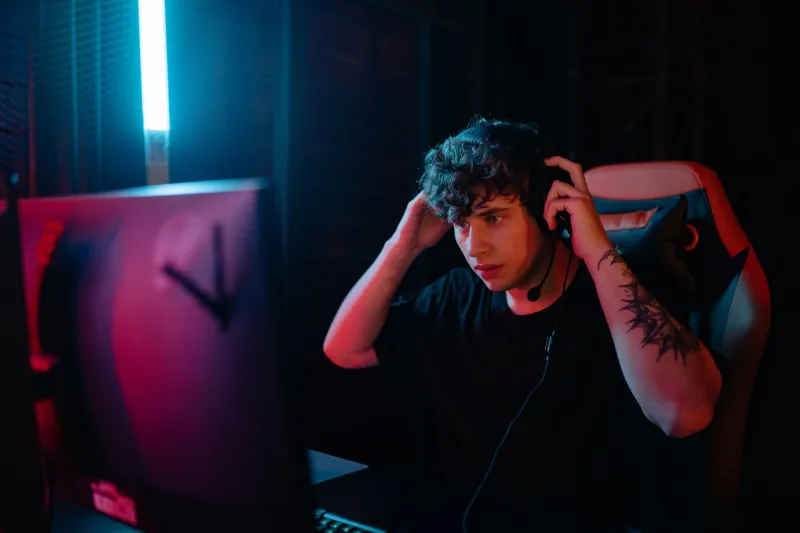
Picture this: a streamer is mid-sentence, vibing with their chat, when suddenly the screen explodes with notifications. A viewer just dropped $500. The chat goes absolutely feral. Then, thirty seconds later, someone else drops $750. The streamer's jaw hits the floor. The audience loses their collective mind. And somewhere in the comments, a third person is already typing, flexing their wallet.
Welcome to gifting culture — one of live streaming's most chaotic, compelling, and honestly kind of fascinating subplots.
From Tip Jar to Thunder Dome
Donations and virtual gifts have been part of streaming platforms since basically forever. Twitch introduced its bits system back in 2016. TikTok Live has its digital roses and lions. YouTube has Super Chats. The mechanics vary, but the core idea is simple: viewers pay real money to support creators and get a little spotlight in return.
For a while, it was pretty low-key. Someone tossed a few bucks, the streamer said thanks, and the stream kept rolling. But somewhere along the way, the dynamic shifted. The donation stopped being just a tip. It became a performance.
Now, the biggest gifts during a stream aren't just financial transactions — they're events. They interrupt the flow, command the room, and generate reactions that get clipped, shared, and talked about for days. The gift giver isn't just supporting the creator. They're putting on a show.
The Psychology of the Big Drop
So what's actually driving someone to spend hundreds — sometimes thousands — of dollars on a live stream donation? Psychologists who study online behavior point to a mix of motivations that are surprisingly layered.
There's the obvious status play. In a chat moving at a thousand comments per minute, dropping a massive gift is one of the only ways to guarantee the streamer sees your name. It's visibility in a space where visibility is currency. For some viewers, that moment of recognition — the streamer saying your username out loud, reacting to your gift in real time — is worth every penny.
But there's also something more social happening. When a big gift lands and chat goes wild, the person who sent it isn't just connecting with the streamer. They're connecting with the entire audience simultaneously. It's a strange kind of community theater where the donor is briefly the protagonist, and everyone else gets to react together. That shared moment of collective energy? That's genuinely hard to replicate anywhere else.
And then, of course, there's competition. Once one viewer drops a big gift, others feel the pull to respond. It becomes a game. Who can go bigger? Who can top it? The chat turns into a live scoreboard, and the streamer becomes an unwitting referee.
The Streamer Caught in the Middle
Here's the part that doesn't always get talked about: being on the receiving end of donation drama is its own kind of pressure.
When a $1,000 Super Chat lands mid-stream, the streamer has maybe three seconds to decide how to react — and that reaction matters. Too low-key, and the donor feels underwhelmed. Too over-the-top, and it looks performative. Meanwhile, the rest of the chat is watching to see how the creator handles it, and a dozen other donors are recalibrating based on what they see.
Some streamers are genuinely incredible at navigating this in real time. They've developed a kind of emotional fluency — knowing when to pause, how to express authentic gratitude without derailing the whole stream, and how to acknowledge the competitive gifters without letting things spiral into a weird flex contest. It's a skill set nobody teaches you, and most creators learn it the hard way.
Others, honestly, struggle. There are plenty of viral clips of streamers visibly uncomfortable as gift amounts escalate, clearly unsure whether to encourage it or pump the brakes. The ones who lean in too hard risk cultivating an audience dynamic that's more transactional than genuine. The ones who don't acknowledge it enough risk losing the donors entirely.
When Entertainment Crosses Into Something Else
It's worth asking — and this is where things get a little complicated — at what point does gifting culture stop being fun and start being something more problematic?
There are documented cases of viewers going into serious debt chasing that hit of recognition. TikTok Live in particular has faced scrutiny over how easily users can spend real money on virtual gifts, sometimes without fully registering the dollar amounts involved. The gamification of generosity, critics argue, can blur the line between enthusiastic fan support and compulsive spending.
And there's another layer: the manufactured drama angle. Some streamers — and this is an open secret in the community — subtly encourage gifting competitions because the resulting chaos is genuinely entertaining content. A heated gift war keeps viewers locked in. It creates stakes. It generates clips. It's good TV, basically. Which raises the question of whether the streamer is a grateful recipient or an active participant in engineering the spectacle.
Most are probably somewhere in between, which is kind of the honest answer.
Why Audiences Can't Look Away
Despite all the complexity — or maybe because of it — gifting drama remains one of the most reliably engaging things that can happen on a live stream. Audiences tune in not just to watch the creator, but to watch the whole ecosystem in action. Who's going to drop something wild tonight? How will the streamer react? Will there be a back-and-forth between two big donors?
It's participatory entertainment in its purest form. Even viewers who never send a dollar are fully invested in the spectacle. They're in the chat reacting, hyping up the donors, egging on the competition. Everyone has a role to play.
That's the thing about live streaming that traditional media still hasn't fully cracked: the audience isn't passive. They're not watching a story — they're inside one. And when the gifting wars heat up, the whole stream transforms into something genuinely unscripted and electric.
The New Scoreboard
Gifting leaderboards, donor recognition tiers, and shoutout systems have all formalized what was once spontaneous. Platforms know this stuff drives engagement, so they've built infrastructure around it. Top gifters get badges. Monthly leaderboards create ongoing rivalries. Some streamers do end-of-month recaps where they acknowledge their biggest supporters — essentially a highlight reel for the donors themselves.
It's a feedback loop that keeps everyone coming back: streamers get revenue and content, donors get recognition and community status, and audiences get the drama.
Whether that loop is healthy in the long run is a conversation the streaming world is still figuring out. But in the moment, when that massive gift notification drops and the chat goes absolutely sideways? There's nothing quite like it. That's live entertainment doing exactly what it's supposed to do — making you feel like you're right there, in the middle of something real, something unplanned, something that only happens once.
Stream the moment. Feel the energy. Even when the energy is someone spending their entire paycheck on a virtual lion.